How Coloring Science Benefits the Brain
Updated: Nov 5, 2024
While coloring may seem like a simple, creative task, research suggests it can have profound benefits on the brain, particularly when used as a tool for learning complex scientific concepts.

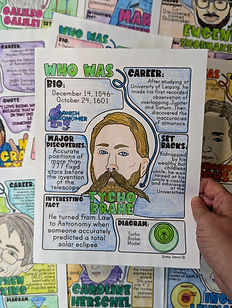
The Cognitive Benefits of Coloring Science Material
Enhances Memory Retention Coloring science material, such as diagrams, models, and illustrations, can improve memory retention. This is due to the involvement of both the visual and tactile systems. When students actively color a diagram of, for example, the human circulatory system or the water cycle, they are engaging multiple areas of the brain. This multi-sensory approach helps students make deeper connections with the material, reinforcing their understanding.
Stimulates the Brain’s Focus and Concentration Coloring requires sustained attention and focus, which can be particularly beneficial for students with attention difficulties. Research has shown that activities requiring fine motor skills, such as coloring, can enhance attention and concentration. This can be particularly useful when studying intricate systems in science, such as cellular structures, chemical reactions, or complex ecosystems.
Supports Active Learning Traditional learning methods, like reading or listening to lectures, often focus on passive absorption of information. Coloring, on the other hand, is an active learning strategy. When students engage in coloring science material, they are actively processing and organizing the information, which helps to solidify the learning process.
Encourages Creativity and Critical Thinking Although science is rooted in facts and theories, it also involves creative problem-solving and the exploration of new ideas. Coloring materials in science can spark creativity by allowing students to interpret and represent scientific ideas in visually unique ways. Whether it’s choosing the colors for a model of the atom or illustrating the ecosystem of a forest, students’ artistic decisions can reflect their understanding and offer insights into their thought processes.
How it works: By encouraging students to take ownership of how they visually present a scientific concept, coloring gives them a sense of agency and fosters deeper engagement. Creative expression can help students develop a personal connection to the material, making it feel more relevant and memorable.
Improves Fine Motor Skills While perhaps not immediately obvious, the act of coloring requires precision and control, which can be especially beneficial for younger students or those developing their fine motor skills. The ability to manipulate crayons, markers, or colored pencils to accurately color within lines and manage color gradients helps strengthen hand-eye coordination and muscle control.


Comments